
FRAC3
laser hair
removal.
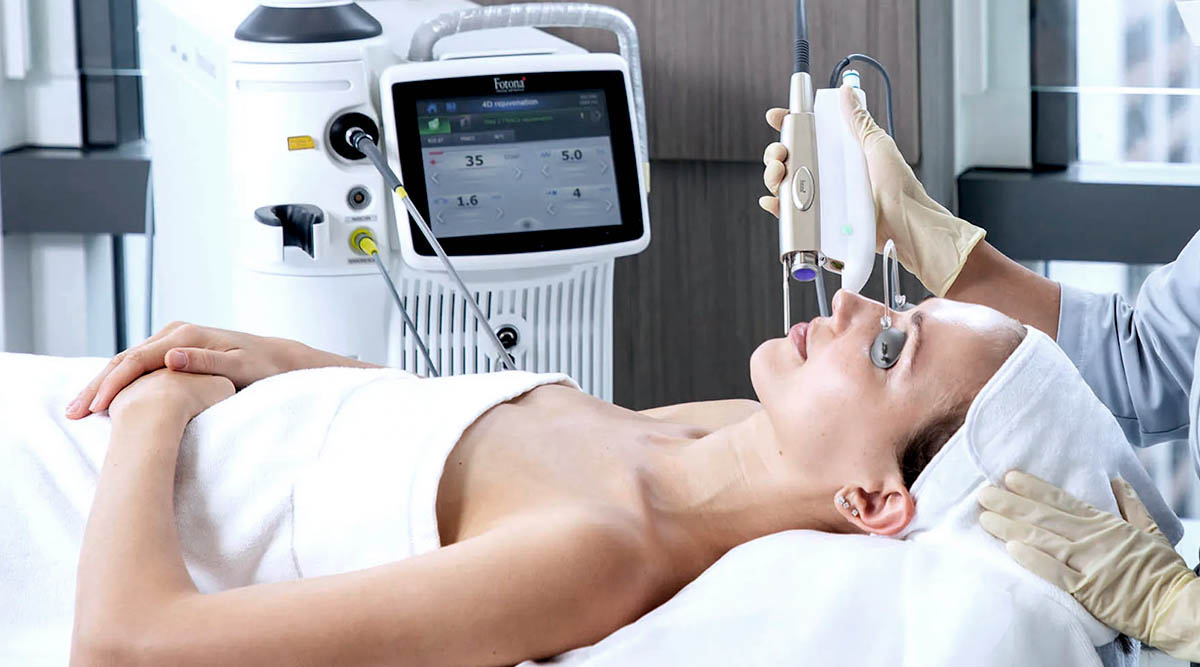
Done with shaving, waxing, and ingrowns. FRAC3 Nd:YAG laser hair removal delivers long-term reduction across all skin tones, with no downtime and no disruption to your day.
- Laser hair removal targets the follicle to reduce regrowth over time.
- FRAC3 uses fast Nd:YAG energy delivery designed for efficient, consistent coverage.
- Most areas need a series because hair grows in cycles.
- Results look best with consistent spacing, gentle aftercare, and sun protection.
What is laser hair removal
Laser hair removal is a medical-grade method that reduces unwanted hair by delivering energy to the hair shaft and follicle. Over a series of treatments, active follicles are disabled so hair grows back finer, slower, and in many cases significantly reduced.
It is not a one-and-done service because hair does not grow all at once. The goal is to catch hair in its most treatable phase repeatedly until you hit your reduction target.
Why FRAC3 laser hair removal
FRAC3 hair removal uses an Nd:YAG wavelength approach that is designed to reach deeper follicles while respecting the surface of the skin. The delivery pattern is built for precise, consistent coverage so treatments feel controlled, even on larger areas.
Smooth skin is not a luxury. It is fewer ingrowns, fewer rash days, and less time thinking about hair at all.

How it works
The laser energy is absorbed by pigment in the hair shaft and converted to heat. That heat is transferred toward the bulb and follicle structures to reduce future growth. The key is delivering enough energy to affect the follicle while keeping surrounding skin comfortable and calm.
- Anagen is the active growth phase and is typically the most responsive to treatment.
- Catagen is a transition phase where the follicle is changing state.
- Telogen is a resting phase where the hair is not strongly connected to the follicle.
This is why spacing matters. Repeated sessions catch new hairs as they enter the active growth phase.
What to expect
Prep and aftercare
Simple preparation and consistent aftercare are what separate good results from great ones. Nothing complicated, just a few habits to build around your sessions.
- Shave 12 to 24 hours before, do not wax or pluck.
- Avoid active sunburn or heavy tanning.
- Skip self-tanner on the treatment area.
- Keep the area cool and clean for 24 hours.
- Avoid hot yoga, saunas, and intense heat same day.
- Use SPF if the area is sun-exposed.
- Shaving is fine. Avoid waxing and plucking.
- Gentle exfoliation can help prevent ingrowns later.
- Let us know about any new medications or skin changes.
Safety note: timing and settings depend on skin tone, hair type, and medical history. Your provider will tailor the plan at your consultation.
Myths vs facts
Who is a good candidate
Most healthy adults are suitable candidates. The best plans start with a quick assessment so we can match settings to your skin tone, review your history, and set realistic expectations by body area.
Your questions, answered.
Book your consultation.
We will recommend the simplest series for your goals, your skin tone, and your schedule. No commitment, no pressure.
Results vary by person. Laser hair reduction is a medical aesthetic service and requires assessment and informed consent.
Ready for
smoother skin?
Book a consultation at our West Vancouver clinic. We will assess your skin, map a realistic series, and answer every question before any treatment begins.
This page is for informational purposes only and does not constitute medical advice. FRAC3 is a Fotona laser modality. Results vary by individual. Laser hair removal requires a skin assessment and informed consent before treatment. Content reviewed by Dr. Eli Akbari, MD, FRCSC, Facial Plastic Surgeon, Monarch MD Facial Plastic Surgery, West Vancouver, BC. Learn about Dr. Akbari