
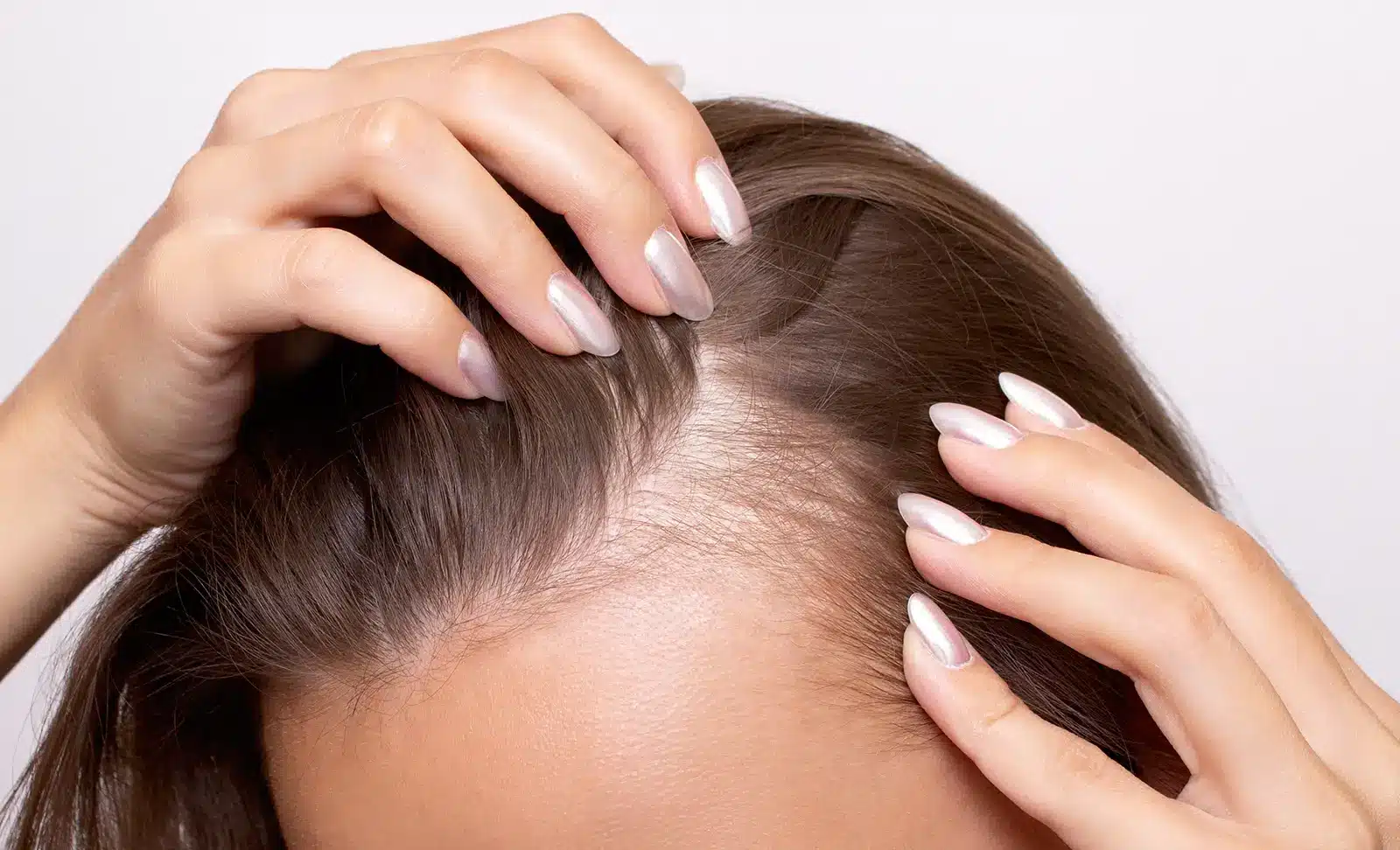
Unraveling the Mystery: Why is My Hair Shedding?
It's a moment many of us dread: standing over the bathroom sink, brush in hand, and realizing just how much hair is left behind. Seeing increased hair shedding can trigger immediate panic. Is this normal? Am I going bald?
Before you succumb to stress—which, ironically, makes shedding worse—it is crucial to understand that hair shedding is a completely natural biological process. However, when it crosses the line from routine renewal to excessive loss, it’s your body’s way of signaling that something is off balance.
Led by Dr. Eli Akbari, a double board-certified facial plastic surgeon, Monarch MD in West Vancouver specializes in holistic scalp health and hair restoration. In this guide, we will break down the science of why hair sheds, distinguish between shedding and true hair loss, and explore the most common culprits behind increased loss.
The Science: The Hair Growth Cycle
To understand shedding, you must first understand how hair grows. Every single hair follicle on your head operates independently, cycling through three distinct phases. At any given time, you will have hairs in each stage:
- Anagen (Growth Phase): This is when the hair is actively growing from the root. This phase lasts for two to seven years and determines the maximum length of your hair. Usually, 85–90% of your hair is in this phase.
- Catagen (Transition Phase): This short, two-to-three-week phase is when the hair follicle shrinks and the hair detaches from its blood supply.
- Telogen (Resting Phase): This phase lasts for about three months. The detached hair "rests" in the follicle while a new hair begins to form beneath it. At the end of the resting phase, the old hair is released—it sheds.
On a healthy scalp, it is perfectly normal to shed between 50 and 100 hairs every day as the resting phase completes.
Hair Shedding vs. Hair Loss
It is important to differentiate between two medical concepts: Telogen Effluvium and Alopecia.
What is Hair Shedding (Telogen Effluvium)?
Excessive hair shedding, medically known as Telogen Effluvium, occurs when a sudden stressor pushes a significantly higher percentage of your active hair follicles (sometimes up to 70%) into the Telogen (resting) phase prematurely. Around three months after that stressor, you will see a massive, synchronous shedding event. When you treat the underlying cause, the hair almost always grows back fully.
What is Hair Loss (Alopecia)?
True hair loss, or Alopecia, occurs when something—genetics, an autoimmune response, or scalp scarring—physically stops the hair from growing. The follicles are damaged or shrinking, and without intervention, the hair will not grow back. The most common form is androgenetic alopecia (pattern baldness). You can learn more about shedding vs. loss from the American Academy of Dermatology.
Common Causes of Excessive Hair Shedding
If you have noticed significant handfuls of hair on your brush, pillow, or shower drain, it is likely one of these common stressors has triggered Telogen Effluvium.
1. Significant Psychological Stress
High levels of chronic stress or a single traumatic event (like the loss of a loved one or a divorce) can throw the hair cycle into disarray. The body, focused on basic survival, deprioritizes hair growth, pushing follicles into the resting state. If you are experiencing stress-related loss, we recommend exploring holistic wellness strategies alongside clinical treatments.
2. Postpartum and Hormonal Shifts
This is extremely common. During pregnancy, high estrogen levels keep hair in the Anagen (growth) phase, leading to beautifully thick, glossy hair. After childbirth, estrogen levels plummet. This sudden drop triggers all that "overtime" hair to enter the shedding phase simultaneously. This generally peaks three to four months postpartum and resolves on its own within a year.
3. Illness and Physical Trauma
A high fever, major surgery, severe accident, or a restrictive diet that leads to rapid weight loss can all cause excessive shedding. The body diverts resources away from "non-essential" functions like hair production to focus on healing and recovery.
4. Nutritional Deficiencies
Your hair follicles are some of the most metabolically active cells in your body. They require essential nutrients to function. Common deficiencies that can trigger shedding include:
- Iron: Iron deficiency anemia is a primary cause of hair loss, especially in women.
- Zinc & Selenium: Critical for protein synthesis.
- Vitamins B12 & D: essential for cellular health.
We often recommend high-quality supplementation, such as Viviscal, which is scientifically formulated to target root causes of thinning including nutritional gaps.
Hair Restoration Options at Monarch MD
While Telogen Effluvium is temporary, the psychological distress is real. At Monarch MD, we believe in a scientific, medical approach to not only stop the shedding but to actively regenerate growth and thicken existing hair. Your journey begins with a private consultation with Dr. Akbari to diagnose the underlying cause.
Our comprehensive Hair Rejuvenation protocols often include:
- Advanced cellular growth factor therapy: uses your body’s own growth factors to stimulate follicles.
- Hair Restoration Memberships: Reaching your hair goals requires consistency. We offer structured Hair Lab Memberships that provide regular, medical-grade treatments at preferred pricing to maintain and compound your results.
- Scalp Microneedling & Exosomes: Advanced therapies that improve the scalp environment, enhance signaling, and optimize nutrient delivery directly to the follicle.
Restore Your Confidence, Structurally.
If you are struggling with excessive hair shedding, do not wait for it to resolve on its own. Every day you wait is a day dormant follicles are not receiving the signals they need. Dr. Akbari will assess your medical history and devise a tailored, regenerative plan.
Book Hair Consultation with Dr. Akbari