
PRP
hair
restoration.
Your own growth factors, precision-concentrated with Swiss RegenLab technology and delivered exactly where your follicles need them. Physician-supervised by Dr. Eli Akbari, MD, FRCSC.
Grow.
Thicken.
Restore.
Your own biology.
Working harder.
"PRP does not introduce a foreign substance. It concentrates what is already in your blood and delivers it precisely where your follicles need it most."
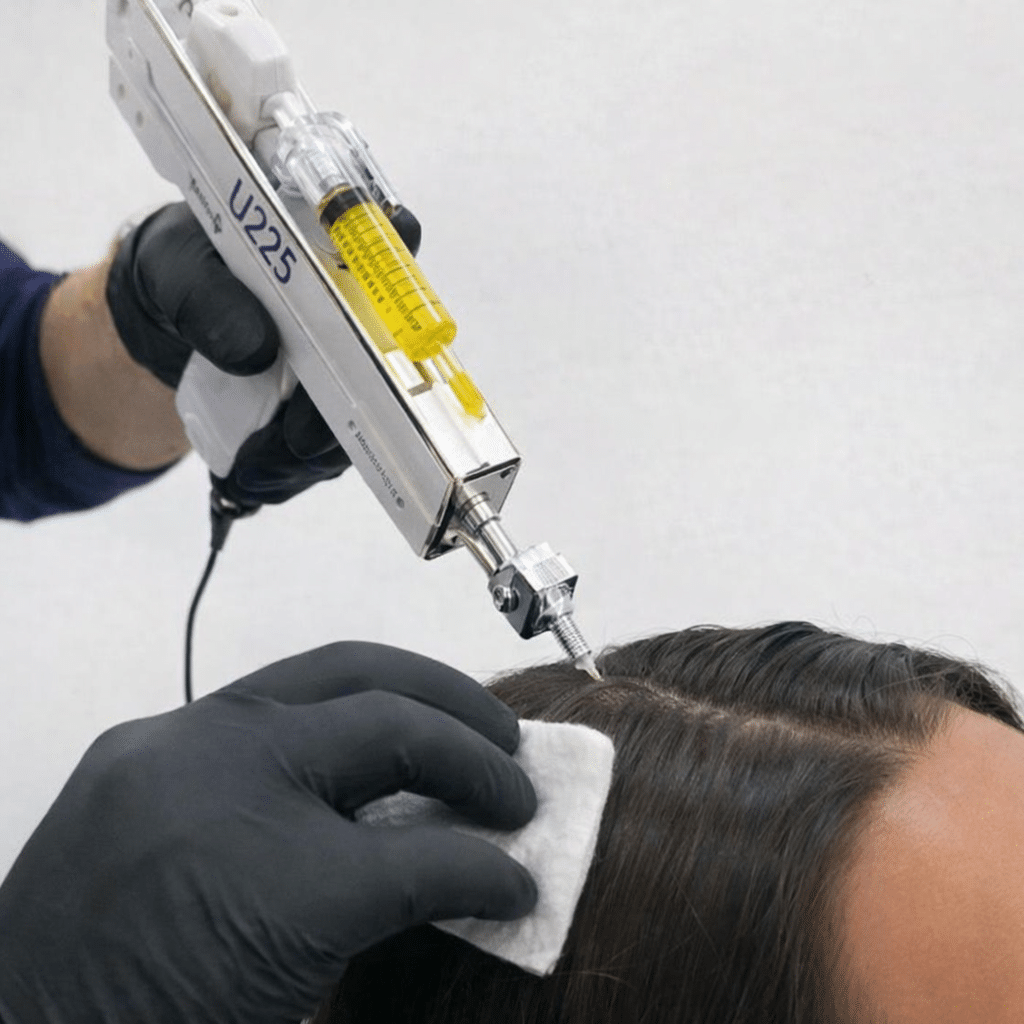
Platelet-rich plasma is prepared from a small sample of your own blood. Using our RegenLab Swiss closed-system centrifuge, we separate and concentrate the plasma layer that is richest in platelets and their associated growth factors. That concentrate is then injected into the scalp, placing the active proteins directly at the follicle level.
Because PRP is autologous, the risk of allergic reaction or rejection is minimal. It works with your biology rather than suppressing it, making it well-suited alongside other restoration therapies and safe for long-term use.
At Monarch MD, every PRP treatment is preceded by a comprehensive hair analysis so that we know precisely which follicles are viable, what pattern we are treating, and how to design the protocol for your biology.
The equipment
makes the
difference.
Le Mont-sur-Lausanne, Switzerland · Founded 2003 · GMP Certified Manufacturing
Not all PRP is the same. The outcome depends entirely on the quality of the concentrate injected. At Monarch MD, we use the RegenLab RegenPRP system, a Swiss closed-circuit medical device that produces standardized, leucocyte-reduced PRP with over 80% platelet recovery, every draw, every session.
Concentration is everything. Whole blood carries 150,000 to 400,000 platelets per microlitre. Expert consensus identifies 1 to 1.5 million platelets per microlitre as the optimal target for AGA, a controlled 4x concentrate. RegenLab hits that window reproducibly, independent of operator.
RegenLab is engineered for 4x.
See how PRP
hair restoration
works.
This short video walks through exactly how PRP works for hair restoration, from the blood draw through to how growth factors interact with your follicles. It is the most efficient way to understand the treatment before deciding if it fits your goals.
The right starting point is always a comprehensive hair analysis. Dr. Akbari assesses your specific loss pattern, the condition of your follicles, and your overall health before recommending any protocol.
Before & After.
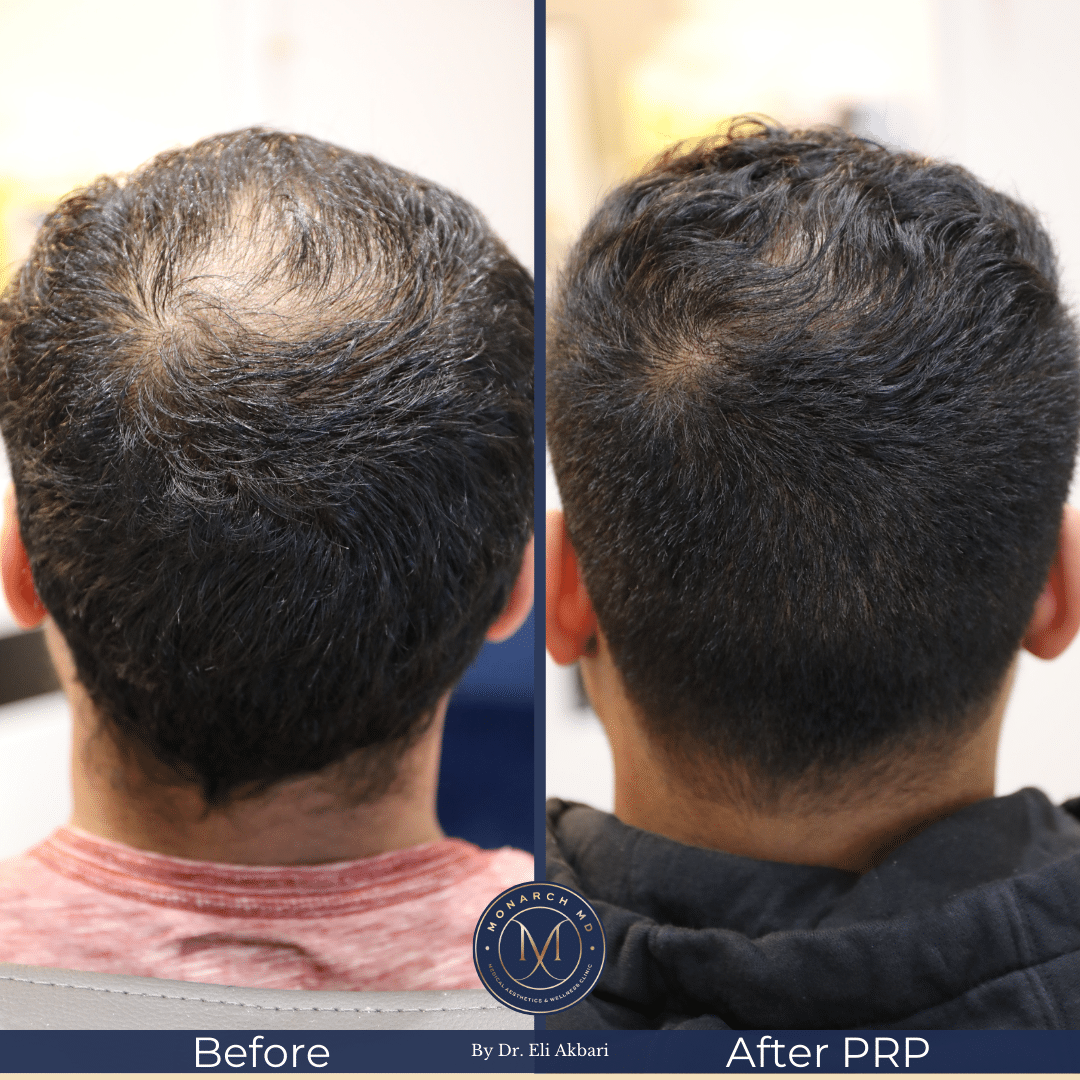
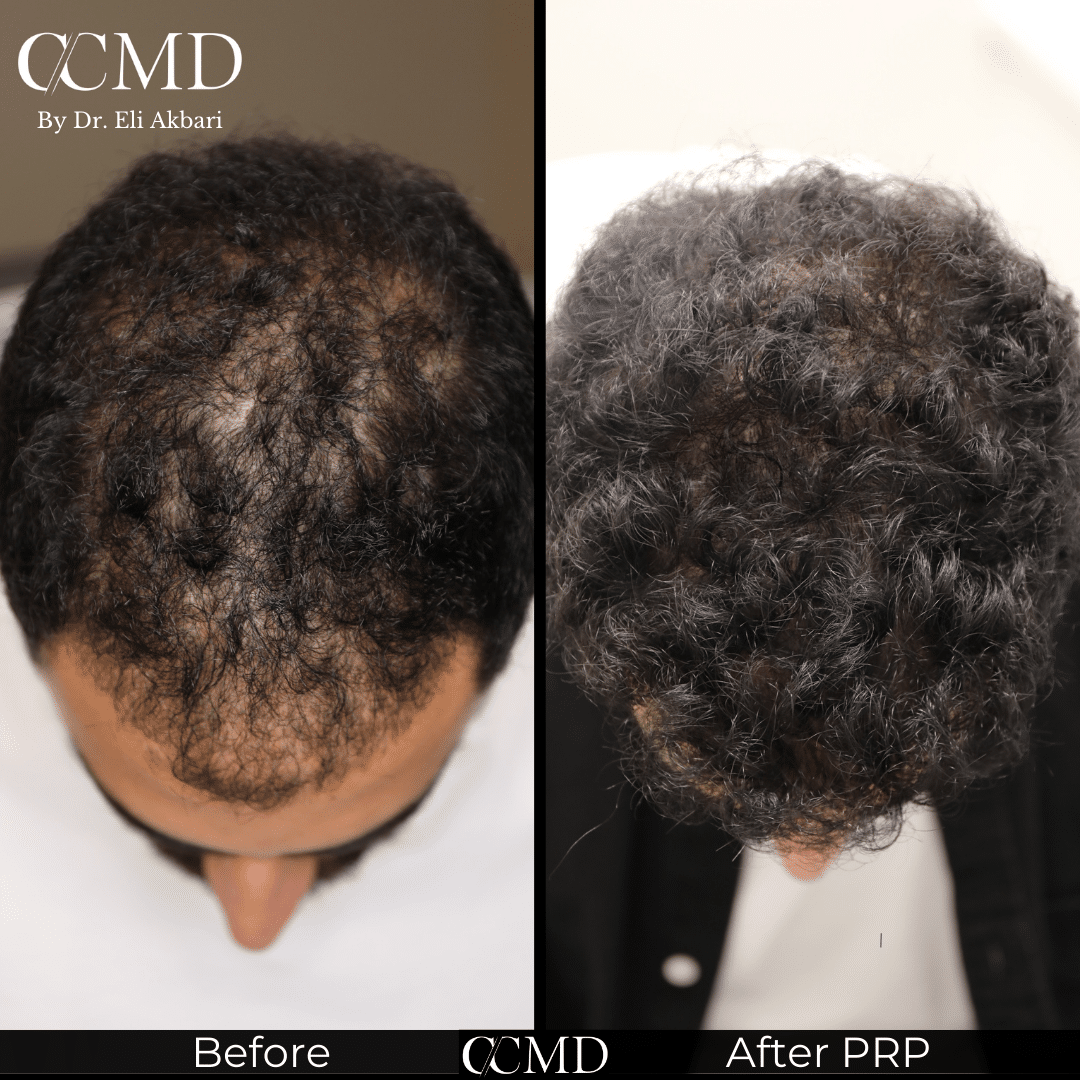
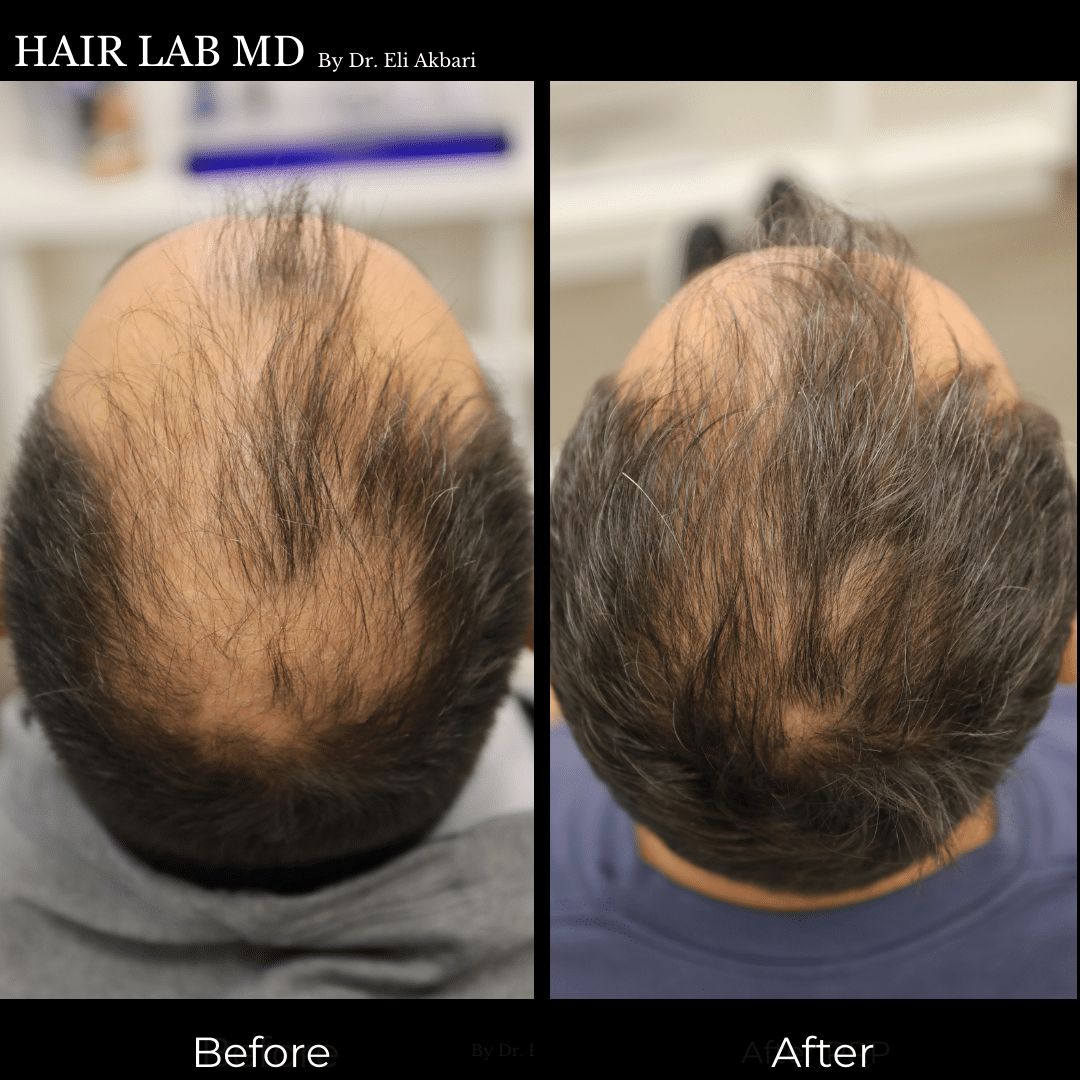
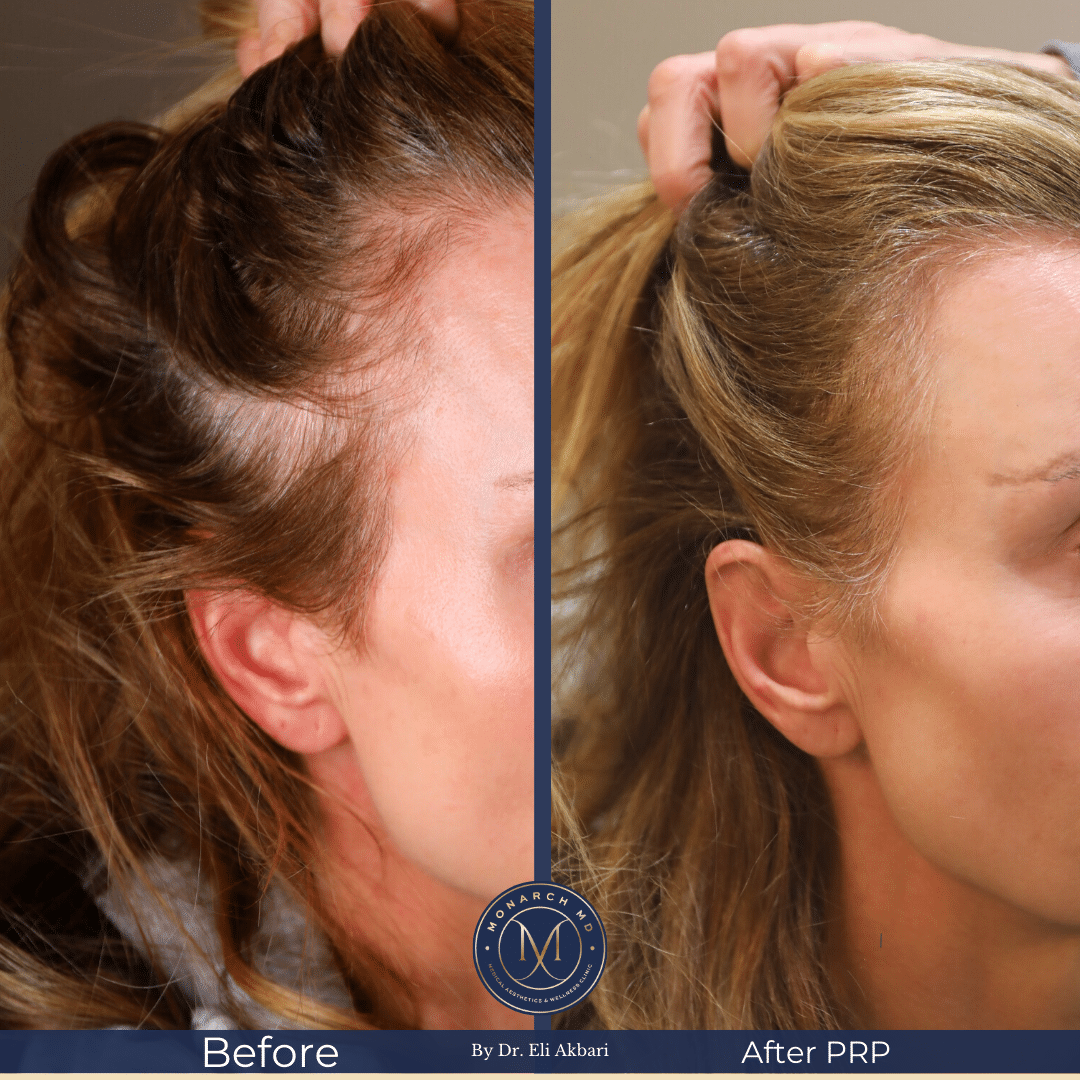
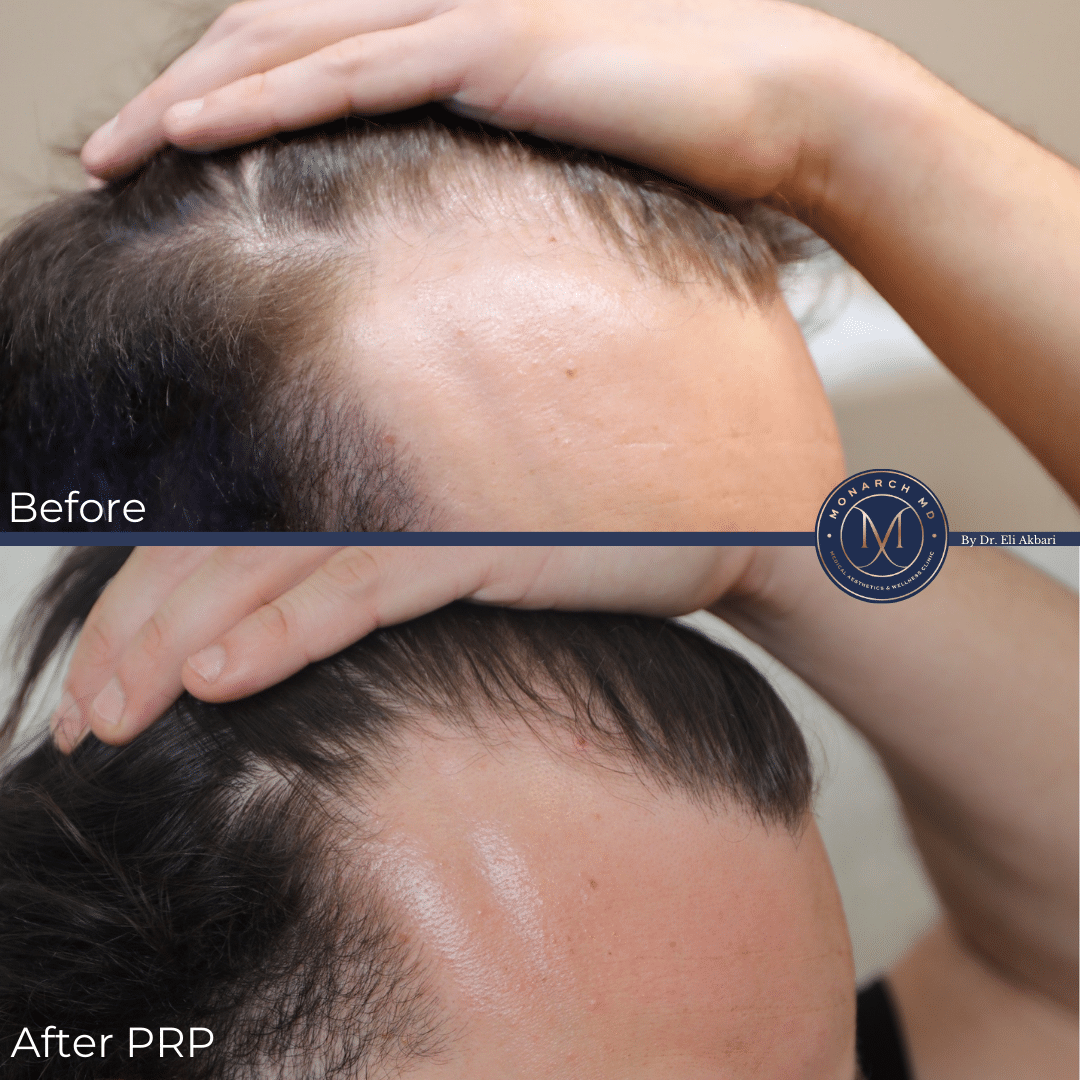
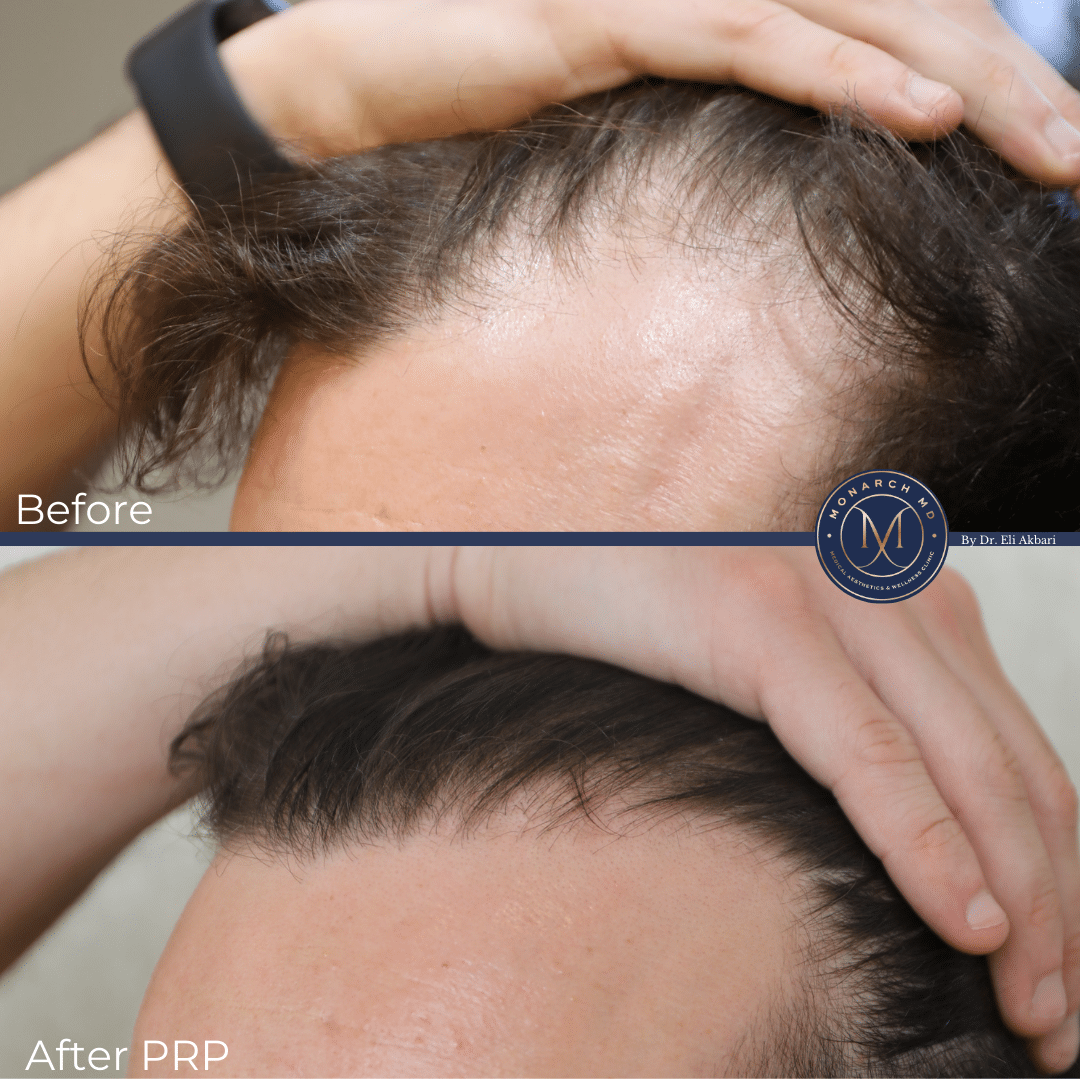
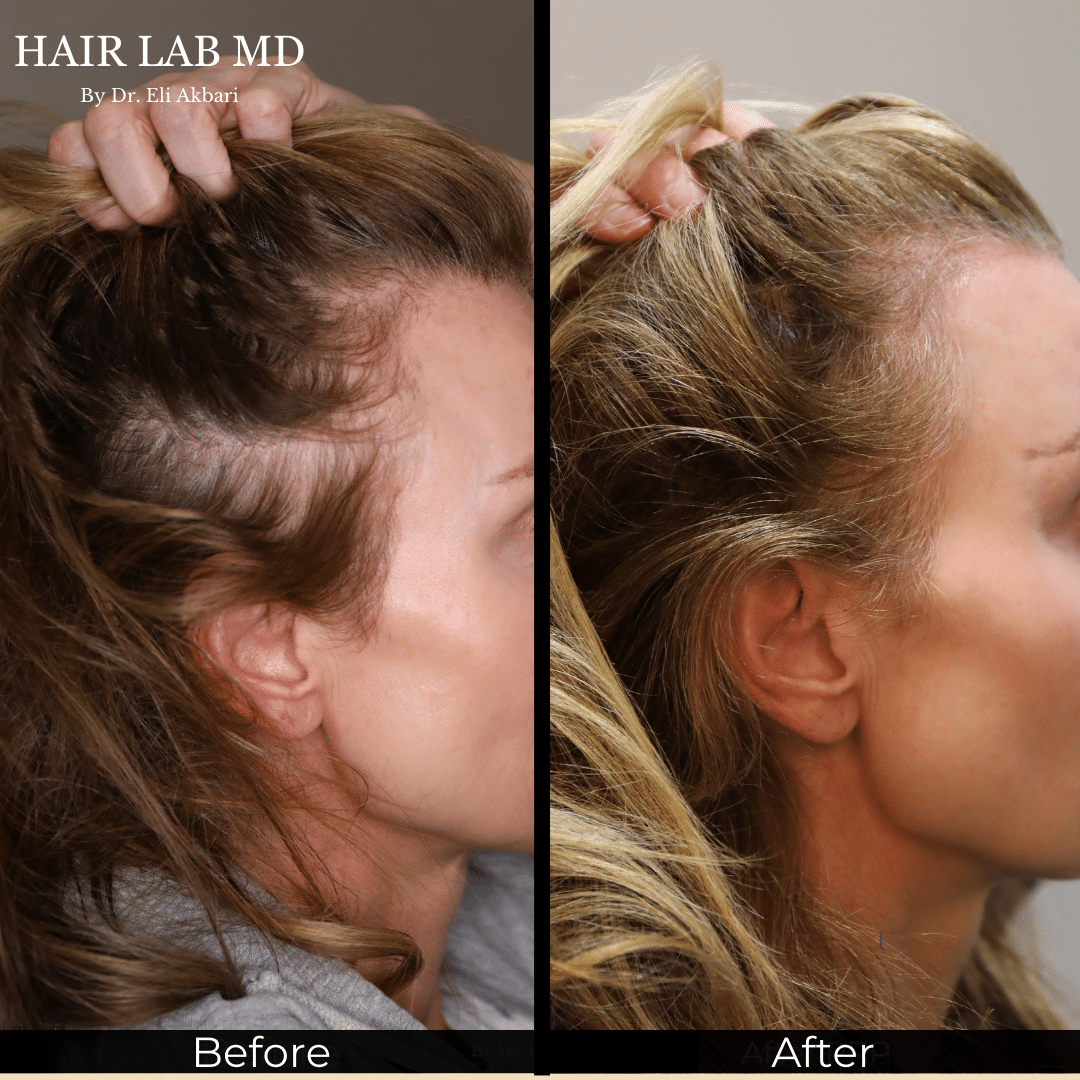
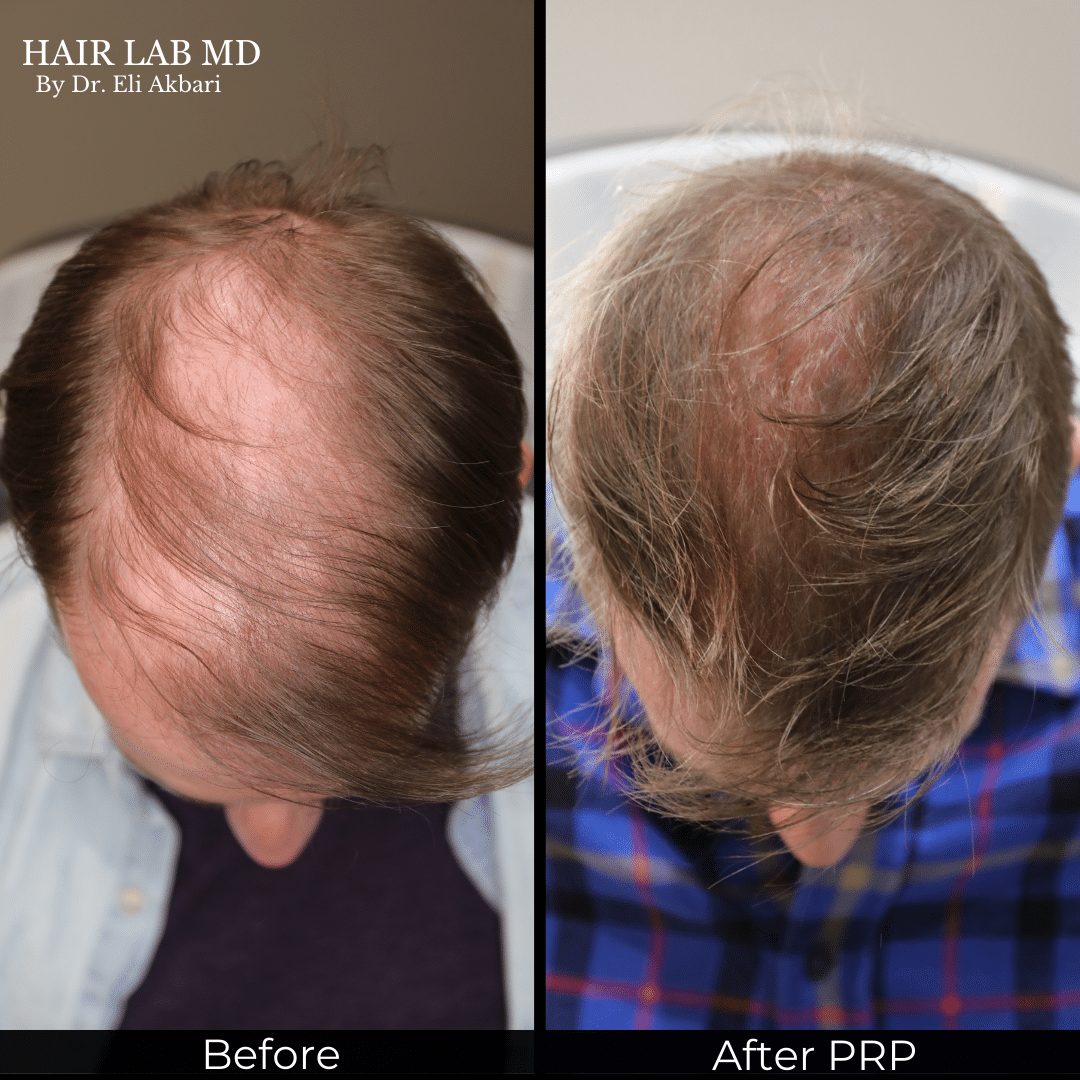
Individual results may vary. All treatments personally overseen by Dr. Eli Akbari, MD, FRCSC. View the full gallery at monarchmd.ca/hair-loss-before-afters
Six growth factors
working in concert.
Adding Scalp
Microneedling.
PRP is potent on its own. When combined with precision scalp microneedling, it becomes significantly more so. The mechanism is straightforward: the microchannels created by the needles provide direct conduits for the PRP concentrate to reach the follicle bulge and dermal papilla, two to three millimetres below the surface where injection alone cannot reliably deposit.
But the benefit of adding microneedling goes beyond delivery. The controlled micro-injuries independently activate the scalp's own wound-healing cascade, triggering Wnt/beta-catenin signaling in follicle stem cells, stimulating the release of the body's endogenous VEGF and IGF-1, and promoting a shift from the telogen to the anagen phase. Two complementary mechanisms, both stimulating the same target, at the same time.
Clinical studies comparing PRP alone to PRP combined with microneedling consistently show superior outcomes for the combination in both hair density and hair count. For patients with moderate to significant loss patterns, Dr. Akbari typically recommends the combined protocol.
Two signals, one target.
Growth factors meet DHT suppression.
Adding Dutasteride
Mesotherapy.
PRP restores. Dutasteride mesotherapy protects. Together, they address androgenetic alopecia from two complementary and non-redundant directions, making this combination one of the most clinically rational protocols in hair restoration medicine.
Androgenetic alopecia is driven by DHT, the androgen metabolite that binds to follicle receptors and causes progressive miniaturization. PRP addresses the consequence of this process by reactivating follicles and stimulating new growth. Without also addressing the hormonal driver, however, DHT will continue to attack the follicles that PRP is working to revive.
Dutasteride mesotherapy delivers a dual 5-alpha-reductase inhibitor directly into the scalp dermis at therapeutic concentrations. It blocks DHT conversion at the follicle level with minimal systemic absorption, protecting the density gains from PRP over the long term. For patients with active androgenetic alopecia who want lasting results rather than a temporary improvement, Dr. Akbari recommends considering both in the same protocol.
Your appointment,
step by step.
and when.
PRP may be right
for you if
PRP works best when there are still living follicles present to stimulate. Dr. Akbari uses trichoscopy to assess follicle miniaturization at your analysis appointment, so you know exactly what PRP can realistically achieve for your specific pattern before you begin.
Not sure if you are a good candidate? That is precisely what the hair analysis is designed to answer. Dr. Akbari will review your Norwood or Ludwig grading, scalp health, and medical history before recommending any protocol.
PRP combined with scalp microneedling, dutasteride mesotherapy, or topical minoxidil consistently outperforms any single modality in clinical studies. Dr. Akbari designs multi-modal protocols for patients who want maximum, lasting results.
Contraindications include active scalp infection, platelet dysfunction, critical thrombocytopenia, haemodynamic instability, or anticoagulant therapy. A full medical history is reviewed at consultation.
What the clinical
literature shows.
What our patients
say.
"The hair analysis gave me a clear picture of where my follicles actually were. After four PRP sessions I can genuinely see the difference in density at my hairline. Knowing the clinic uses RegenLab technology also gave me a lot of confidence going in."
"Dr. Akbari told me exactly what PRP could do for my type of hair loss and what it could not. I went in with realistic expectations and ended up exceeding them. My hair has more thickness and volume than it has in years."
"The shedding that had become a daily anxiety has slowed significantly. I was skeptical about PRP at first, but the quality of the equipment and Dr. Akbari's explanation of why it works changed my mind. I plan to continue with maintenance sessions."
"Dr. Akbari treats hair loss with the same precision she brings to facial procedures. The trichoscopy at my first appointment showed me exactly which areas had dormant follicles worth treating. That level of detail made all the difference."
Your questions,
answered.
PRP (platelet-rich plasma) is prepared from a small sample of your own blood. The sample is centrifuged to concentrate the platelet-rich plasma layer, which contains high densities of growth factors including PDGF, VEGF, EGF, IGF-1, FGF, and TGF-beta. This concentrate is injected directly into areas of hair thinning.
When delivered to the follicle zone, these growth factors stimulate dormant follicles, extend the anagen growth phase, increase blood supply to the follicle, and suppress the premature catagen entry that causes progressive thinning. The result is denser, thicker hair from the follicles that are still viable.
Platelet concentration is the most important variable in PRP preparation. Whole blood normally contains between 150,000 and 400,000 platelets per microlitre. RegenLab targets 4x, the evidence-based optimal concentrate. Expert consensus from a comprehensive dermatology evidence review identifies 1 to 1.5 million platelets per microlitre as the optimal target concentration for androgenetic alopecia treatment specifically.
RegenLab's Swiss closed-circuit system uses a patented thixotropic separator gel that achieves over 80% platelet recovery, reproducibly standardized to the therapeutic concentration window every draw. It depletes approximately 96% of pro-inflammatory neutrophil granulocytes and removes over 99.7% of red blood cells. Erythrocyte degradation products are harmful to follicle tissue; the RegenLab system eliminates them almost entirely, leaving pure leucocyte-reduced, growth factor-dense plasma. A single 5-minute spin at 1,500g in a fully closed pharmaceutical-grade borosilicate glass system produces a consistent, operator-independent result every session.
Critically, the landmark 2025 meta-analysis of 43 RCTs (1,877 patients) found that moderately concentrated standardized PRP at or below 4x whole blood concentration delivers the most consistent outcomes. Excessive over-concentration can actually inhibit follicle cell proliferation by shifting TGF-beta ratios. Standardization in the right range matters as much as concentration level, and RegenLab is specifically engineered to hit that window reliably.
For most patients, yes. Adding scalp microneedling to PRP works on two levels. First, the microchannels created by the needles allow the PRP to penetrate far deeper into the dermis, closer to the follicle bulge and dermal papilla where it is most effective. Second, the micro-injuries independently trigger the scalp's own healing response, activating stem cells in the follicle bulge, stimulating Wnt/beta-catenin signaling, and releasing endogenous growth factors.
Clinical studies comparing PRP alone to PRP combined with microneedling consistently show superior outcomes for the combination. Dr. Akbari will assess your pattern and follicle health at your hair analysis and recommend whether the combination is appropriate for your specific situation.
For patients with active androgenetic alopecia, combining PRP with dutasteride mesotherapy addresses the condition from both directions simultaneously. PRP stimulates growth factor activity to revive follicles. Dutasteride blocks DHT at the scalp level, removing the hormonal driver that is causing the follicles to miniaturize in the first place.
Without addressing DHT, newly reactivated follicles remain vulnerable. Dutasteride mesotherapy is delivered intradermally rather than orally, achieving therapeutic scalp-level concentrations with minimal systemic absorption. Patients who continue to see progressive loss despite PRP alone are typically strong candidates for the combination protocol.
The standard initial protocol is 3 to 6 sessions spaced 4 to 6 weeks apart. Most patients notice reduced shedding within the first few sessions. Visible improvement in density and thickness typically becomes apparent at the 3 to 6 month mark, as hair follicles need several growth cycles to reflect changes in their environment.
Maintenance sessions every 6 to 12 months help sustain results. Some patients with ongoing androgenetic alopecia continue maintenance indefinitely to stay ahead of progressive loss.
Yes. PRP has been studied extensively in both men and women with androgenetic alopecia, with positive outcomes in both groups. For women, PRP is often particularly suitable because it does not carry the hormonal side effect profile of oral 5-alpha-reductase inhibitors. Multiple systematic reviews confirm improvements in hair density and thickness in female patients with pattern hair loss.
PRP has an excellent safety profile because it is autologous, prepared from your own blood, which eliminates the risk of allergic reaction, immune rejection, or pathogen transmission. The RegenLab closed system further reduces contamination risk. The most common side effects are mild and temporary: scalp redness, tenderness at injection sites, and occasional minor bruising, typically resolving within 24 to 48 hours.
Absolute contraindications include critical thrombocytopenia, platelet dysfunction, active scalp infection, or haemodynamic instability. A comprehensive health review is completed at consultation to confirm candidacy.
Yes. PRP hair restoration using the RegenLab system is available at Monarch MD at 210 16th Street, West Vancouver, BC, under the supervision of Dr. Eli Akbari, MD, FRCSC. We serve patients from West Vancouver, North Vancouver, Burnaby, and greater Vancouver.
We recommend beginning with a comprehensive hair loss analysis before starting any protocol. This ensures PRP is applied where it will have the greatest impact for your specific pattern of loss.
Start with a
hair analysis.
Before any treatment begins, Dr. Akbari assesses your follicle health, loss pattern, and candidacy. RegenLab PRP works best when applied precisely. The analysis tells us exactly where and how to use it.
This page is for educational purposes only and does not constitute medical advice. PRP therapy for hair loss is an off-label treatment that requires a physician consultation and informed consent. Individual results vary. RegenLab and RegenPRP are registered trademarks of Regen Lab SA, Le Mont-sur-Lausanne, Switzerland. All treatments at Monarch MD are preceded by a comprehensive hair loss analysis. Content reviewed by Dr. Eli Akbari, MD, FRCSC, Facial Plastic Surgeon, Monarch MD, 210 16th Street, West Vancouver, BC. Learn about Dr. Akbari · View Hair Gallery · Book Hair Analysis